Aruba Beach Rules 2026: Guidelines Visitors Should Know
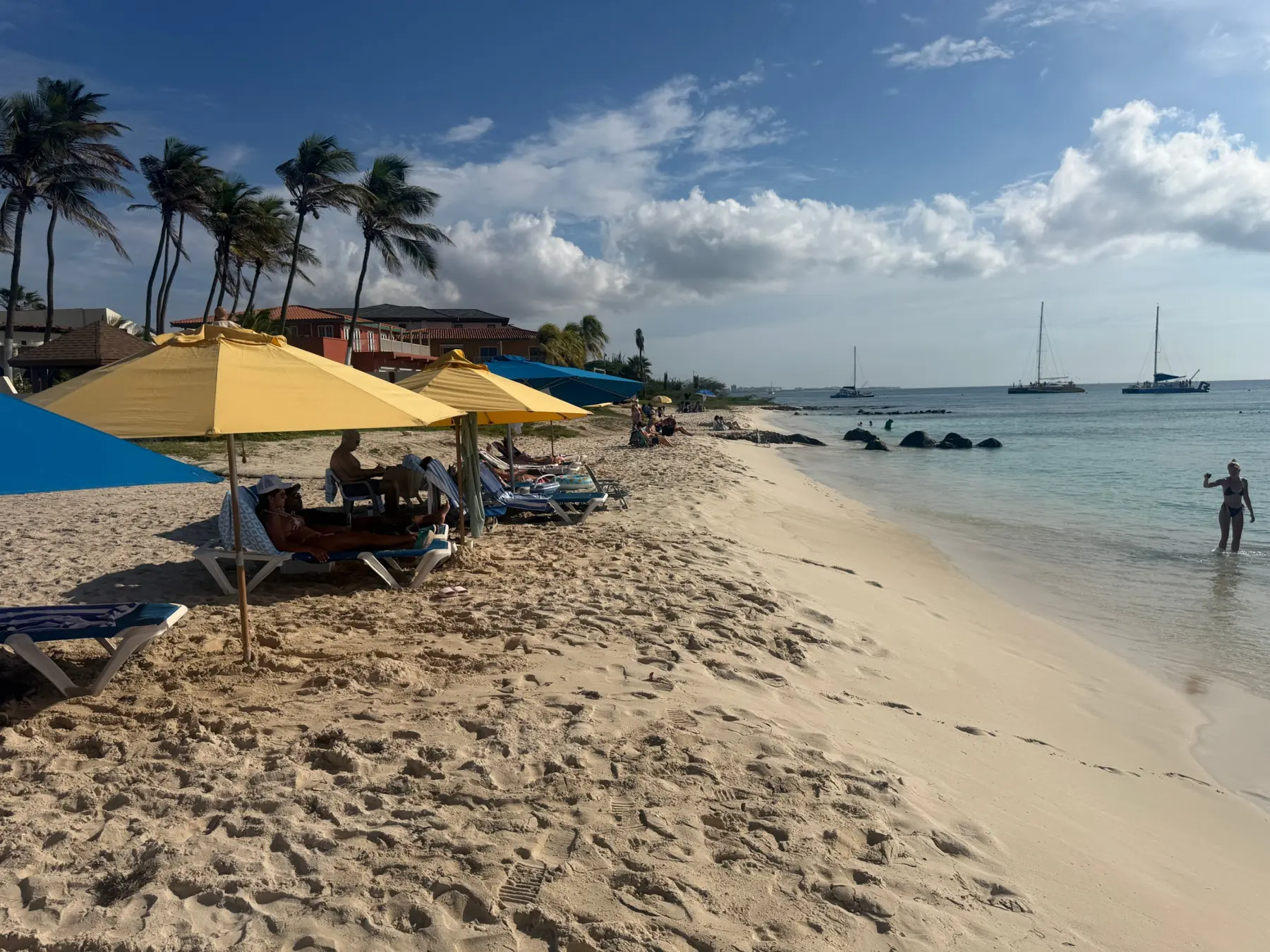
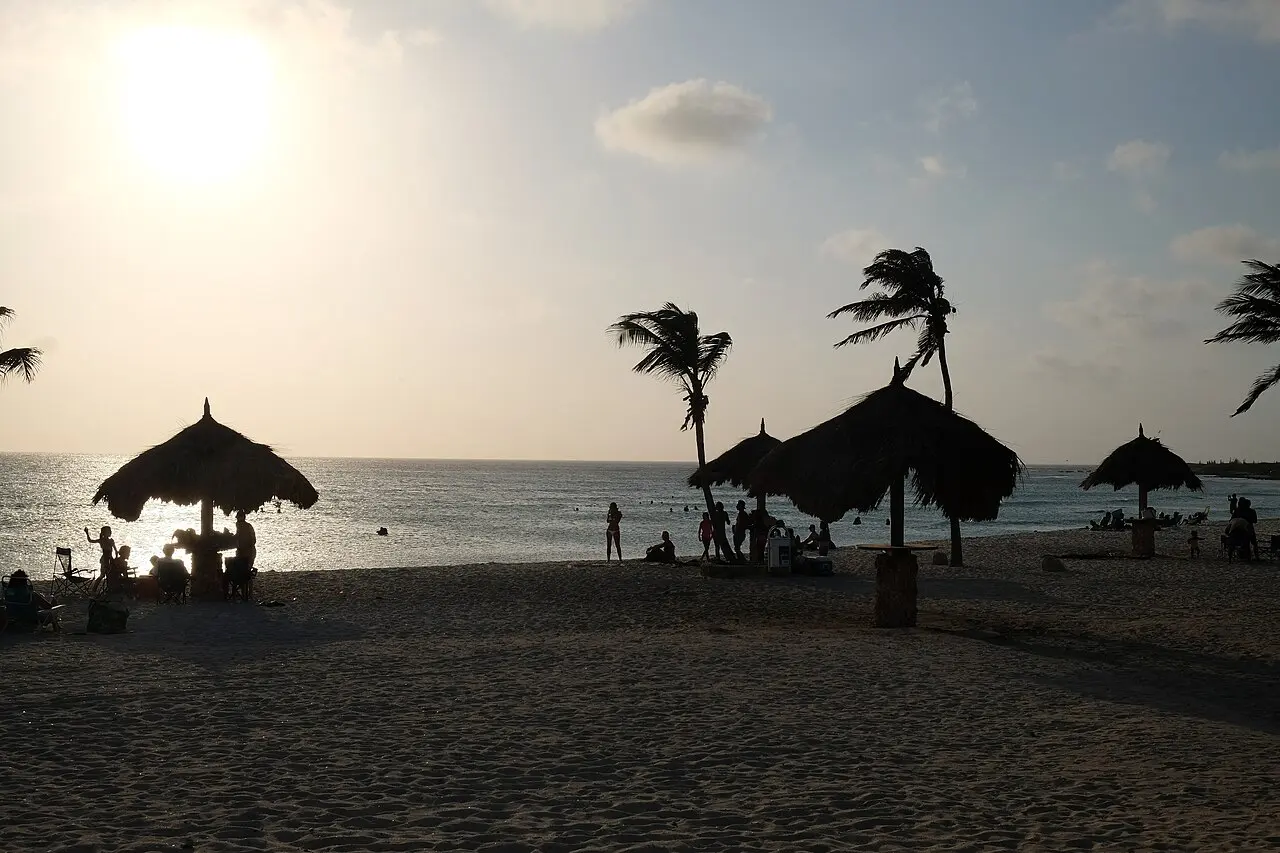
Aruba's beaches are public, but there are rules about how you use them. In April 2026, the island published temporary beach guidelines. Add those to the existing code of conduct and you have most of what a visitor needs to know.
The 2026 beach guidelines
Aruba's Department of Infrastructure and Planning introduced the guidelines as temporary, in place while the wider Beach Policy is updated. The tourism office published a summary on April 29, 2026. In short:
- Hotels may offer shade structures, loungers, and umbrellas to their guests.
- Once arranged and assigned, those setups are considered in use, even if the guest stepped away to swim or walk.
- If you are not a guest, do not use or move them.
- Some beach sections are designated for hotel use through official permits.
- Some beach sections are hotel leasehold land. These are intended for hotel guests and are not part of the public beach.
- The beach itself remains open to everyone for walking, swimming, and finding a spot in the sand, as long as people respect existing setups.
- Local authorities and hotels can step in when needed.
If you are not sure about a spot, ask a hotel staff member. The guidelines do not spell out fines or specific distances in the summary we reviewed.
The code of conduct
Aruba's published code of conduct covers everyday behavior. For the beach, the key points are:
- Do not drive or park on beaches and dunes.
- Do not barbecue or start fires on beaches and dunes.
- Dispose of trash properly and avoid disposable plastics on the beach.
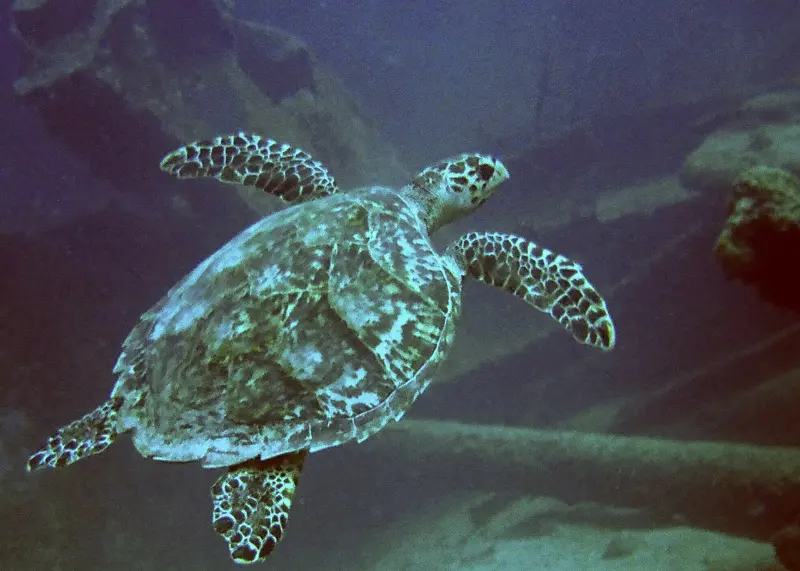
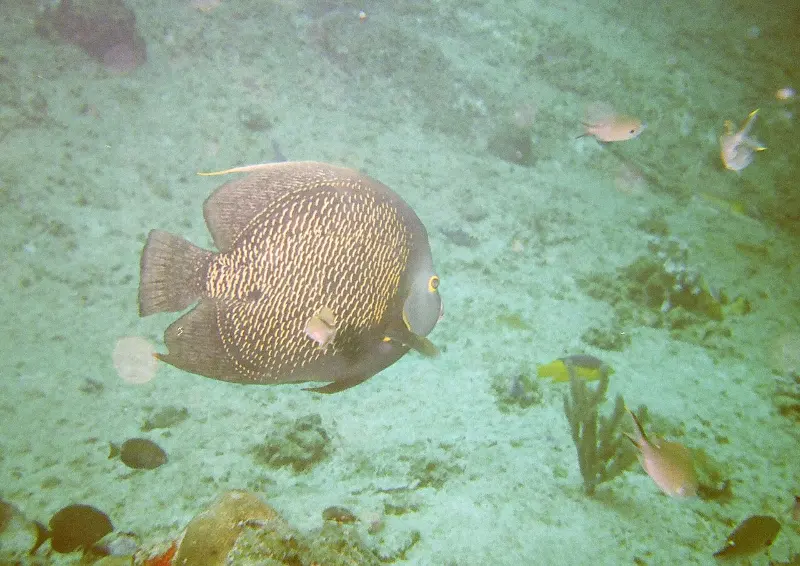
- Do not feed fish, turtles, or other marine life.
- Do not pick up starfish, even for photos.
- Do not stack rocks.
- Nudity and topless sunbathing are not allowed.
- Do not hang hammocks or belongings in the two fofoti trees on Eagle Beach.
- Do not chase or feed iguanas.
Sand, shells, and coral
Aruba Today reports that it is prohibited to take seashells, sand, or coral out of Aruba, citing the CITES treaty and local law. Customs can confiscate them at the airport, and you may have to pay a fine before leaving. Take photos instead.
Sunscreen and plastics
Aruba has banned the import, sale, and production of sunscreen containing oxybenzone, as well as many single-use plastics. Bring oxybenzone-free sunscreen and reusable bottles and containers. Single-use plastic bags are also banned.
Swimming
Stay inside the buoys where they exist. Aruba's tourism office warns that currents can pick up quickly. Some north coast beaches and coves are closed to swimming and marked with signs, and currents there can be strong enough to sweep away even skilled swimmers.
Courtesy that keeps a beach pleasant
- Leave walking room between your setup and the water.
- Keep music to yourself.
- Take your trash with you, even if a bin is full.
- Do not set up directly in front of someone who was there first.
- Keep kids from digging deep holes and leaving them, because people walk the beach in the dark.
Why a reserved set makes this easy
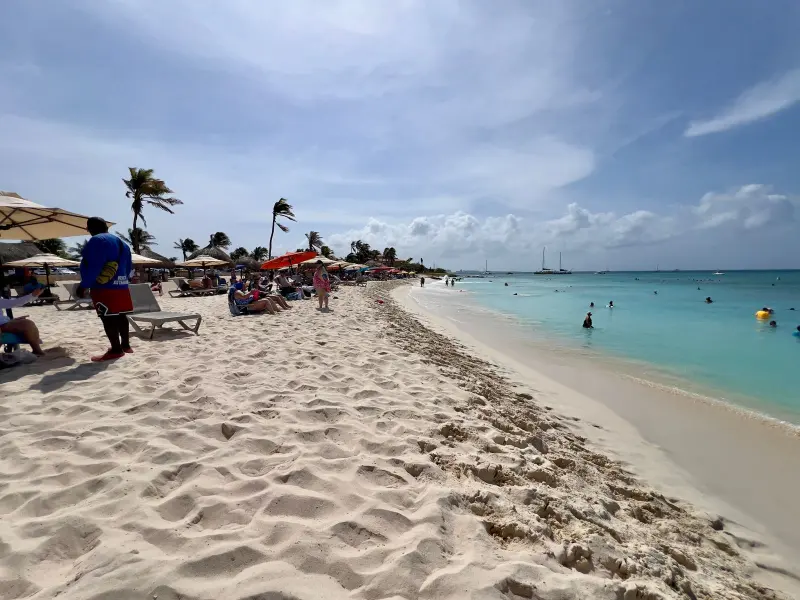
When you book with us, there is no question about where you can sit. Our set is yours for the day, under your name, from 9:00 AM to 5:00 PM, and it is already up when you arrive. You get one big umbrella and two beach chairs, anchored in place, for $120.00 per set per day, all in. You can leave and come back. Check our FAQ for how it works.
Book your set at least 24 hours ahead. Confirmation comes right away with a map.
Source: Aruba Tourism Authority: Beach Guidelines 2026, Aruba Code of Conduct, Aruba Today: Seashells, Sand and Coral, VisitAruba: Plastics and Oxybenzone Ban, Aruba.com: Is Aruba Safe. Conditions change, so check on the day.
 Book your set: $120 a day